

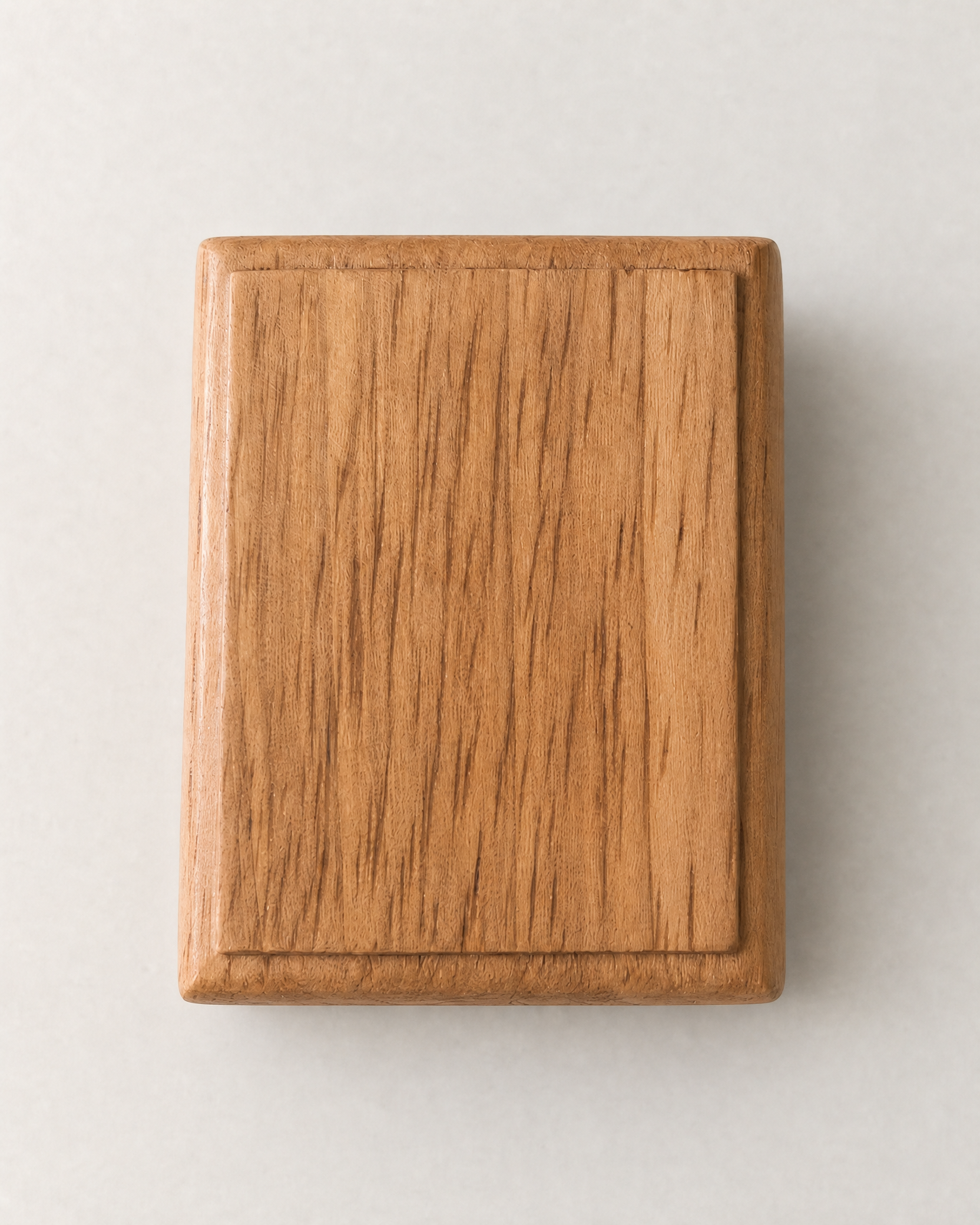
Walnut
Deep brown tone with distinctive natural grain.
What to expect
A richer visual character with visible grain and tone variation.
A development reference for brands and buyers exploring custom wooden boxes. Compare proven directions for structure, material, shape and finish—then define the project requirements with our team.
For brands, importers and corporate buyers
Products frames what can be developed. Corporate Gifts & Packaging shows where a wooden box creates value.
Featured development references
Explore proven wooden box formats developed across different materials and structures. Each reference is a starting point for your own OEM/ODM project—not an off-the-shelf product.
Development Explorer
Select the key development variables below to discover the closest reference designs for your OEM project.
Step 01
Opening Style
Choose how the box opens during use and presentation.
Step 02
Material
Compare approved wood species for appearance, weight and branding.
Step 03
Shape
Select the external form that best fits your product.
Step 04
Finish
Choose the surface expression before sampling.
Your Current Direction
Opening: AnyMaterial: AnyShape: AnyFinish: AnyAll references shown are development examples for OEM projects. Customer identities and commercial projects remain confidential.
Contents outward
Before choosing wood species or opening styles, define the object the box is designed to hold. Internal dimensions become the foundation, while side-wall thickness, lid construction and exterior proportion determine the final box.
Inside dimensions come first. Side walls, lid and base construction then establish the exterior proportion.
Inside dimensions first
Every project begins with the object's length, width, height and orientation—not the outside box size.
Side panels typically range from 6–12 mm, balancing strength, weight and appearance.
The lid and base are often built with different thicknesses to achieve cleaner proportions and a premium opening experience.
The final outside dimensions are calculated from the inner size and the complete wooden construction.
These are common construction references rather than fixed standards. The optimal thickness depends on box size, wood species and project requirements.
| Component | Typical thickness | Best suited for |
|---|---|---|
| Side Walls | 6 mm | Lightweight keepsake & small gift boxes |
| Side Walls | 8 mm | Everyday storage & presentation boxes |
| Side Walls | 10 mm | Premium wooden gift boxes & luxury packaging |
| Side Walls | 12 mm | Large-format or heavy-duty wooden boxes |
| Lid Panel | 4–8 mm | Usually thinner for a lighter visual profile |
| Base Panel | 5–10 mm | Selected according to structural strength |
Every project begins with the object's length, width, height and orientation—not the outside box size.
Side panels typically range from 6–12 mm, balancing strength, weight and appearance.
The lid and base are often built with different thicknesses to achieve cleaner proportions and a premium opening experience.
The final outside dimensions are calculated from the inner size and the complete wooden construction.
These are common construction references rather than fixed standards. The optimal thickness depends on box size, wood species and project requirements.
| Component | Typical thickness | Best suited for |
|---|---|---|
| Side Walls | 6 mm | Lightweight keepsake & small gift boxes |
| Side Walls | 8 mm | Everyday storage & presentation boxes |
| Side Walls | 10 mm | Premium wooden gift boxes & luxury packaging |
| Side Walls | 12 mm | Large-format or heavy-duty wooden boxes |
| Lid Panel | 4–8 mm | Usually thinner for a lighter visual profile |
| Base Panel | 5–10 mm | Selected according to structural strength |
Customization possibilities
A wooden box is more than its structure. Branding, hardware, surface finish and interior configuration can all be customized to match your product, market and presentation goals.
4 key customization areas · Detailed guides available in Corporate Gifts & Packaging

Laser engraving, hot foil stamping, UV printing, screen printing and metal logo applications.
View Branding Guide
Brass hinges, hidden magnets, key locks, decorative clasps and specialty closures.
Explore Hardware Options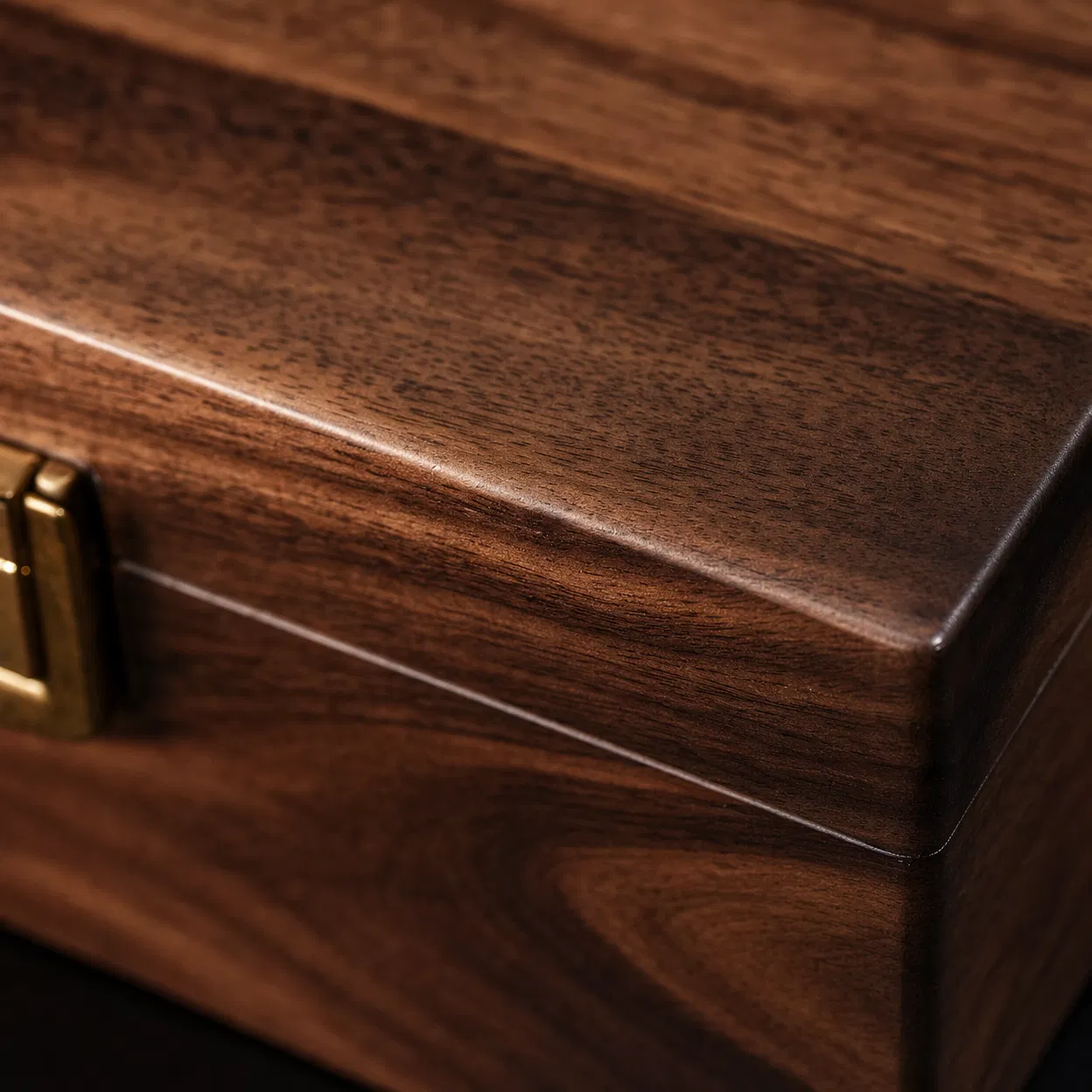
Natural wood, matte lacquer, gloss coating, painted colors and carbonized bamboo finishes.
Compare Finish Options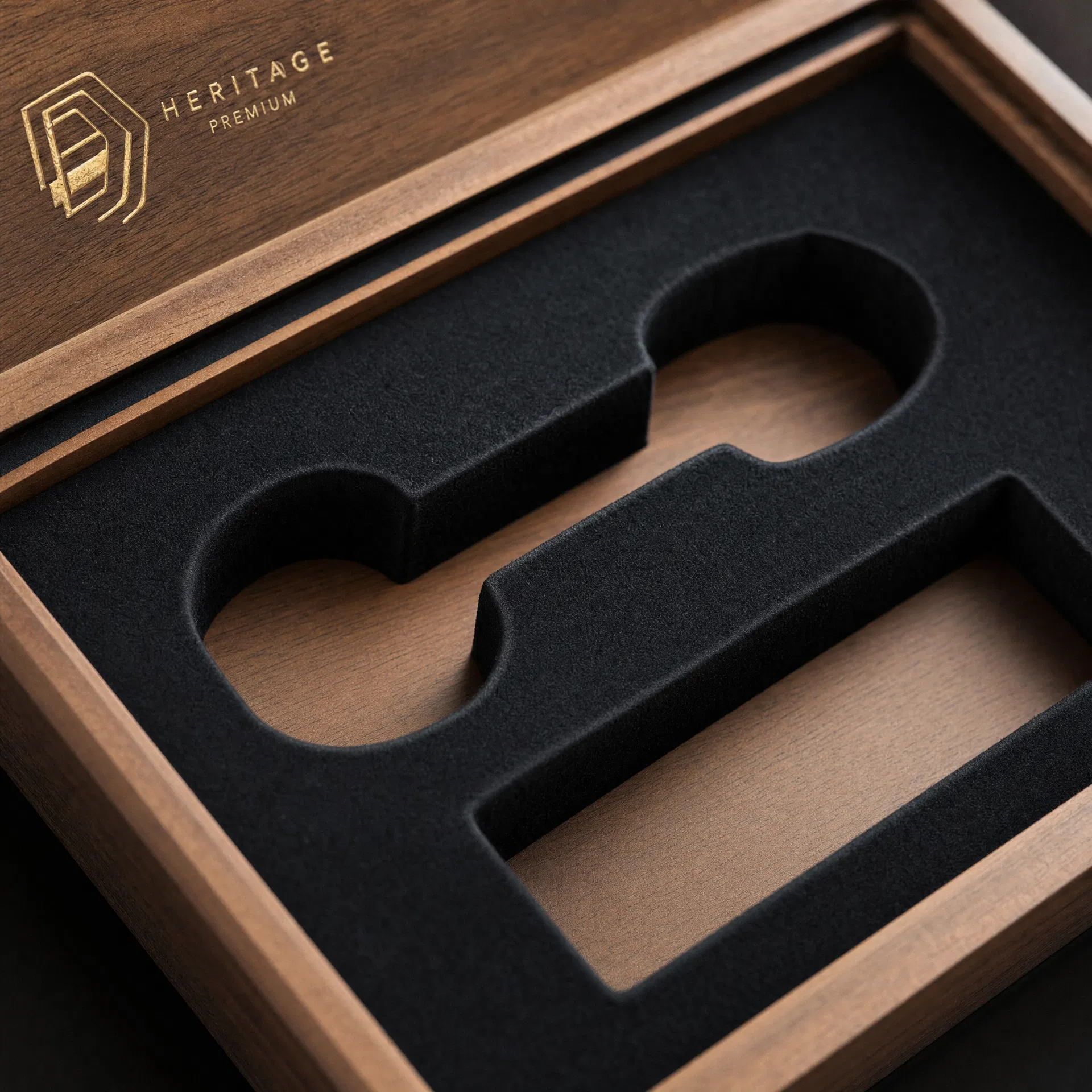
Keep the box empty, or add removable inserts, velvet lining, paper dividers or EVA protection.
See Interior PossibilitiesThese customization options are explained in detail in our Corporate Gifts & Packaging Solution, including branding methods, hardware selection, finishes and interior development.
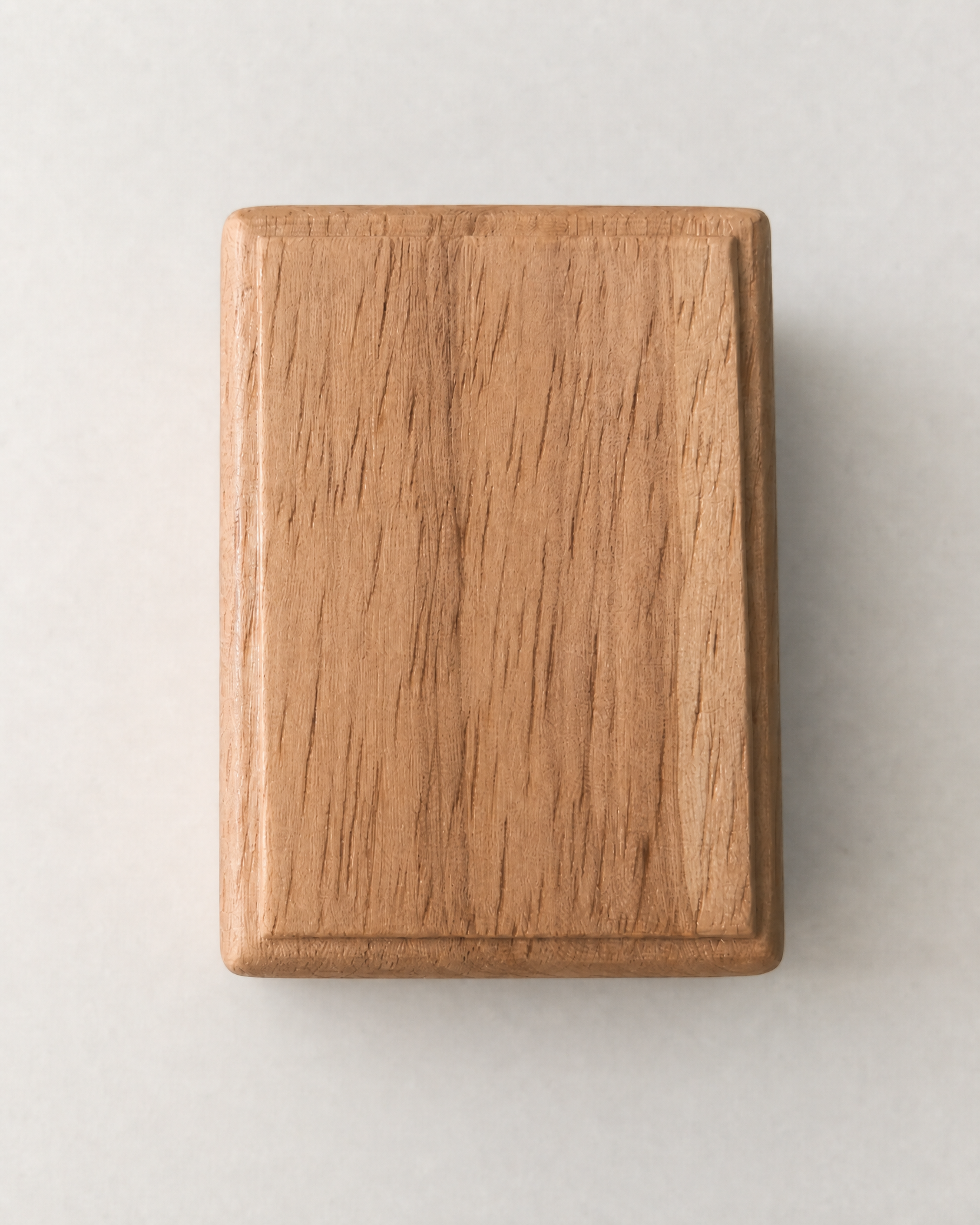
Material personality
Wood is a natural material, so grain, tone and colour can vary from one board to another and from one production batch to the next. Choose a material direction first, then confirm the final appearance during sampling.
Deep brown tone with distinctive natural grain.
What to expect
A richer visual character with visible grain and tone variation.

Expressive grain with naturally varied colour.
What to expect
Warm tones and distinctive grain patterns can differ noticeably from piece to piece.

Clean, linear grain with a lighter visual character.
What to expect
A regular linear structure, with a clear visual difference between natural and carbonized directions.

Fine grain with a relatively even appearance.
What to expect
A light natural colour and a cleaner, understated surface expression.

Visible knots and a softer, more approachable grain.
What to expect
A lighter natural appearance with characteristic knots and grain variation.

Very light wood with a soft, understated grain.
What to expect
Low weight and a lighter visual character where handling matters.
Development cases
Real examples of how we help brands turn ideas, samples and product concepts into manufacturable wooden products.
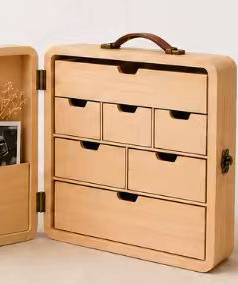
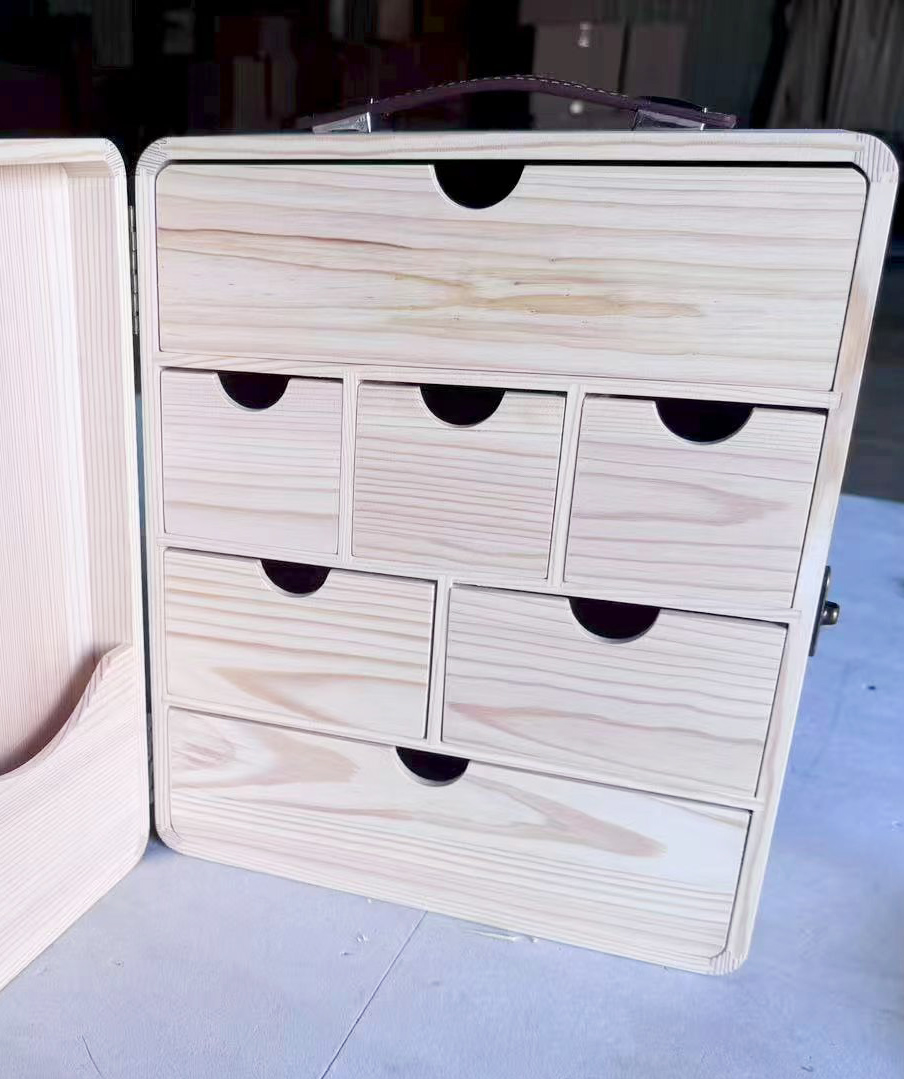
Case 01 · Concept to production development
Case 02 · Sample replication & material matching
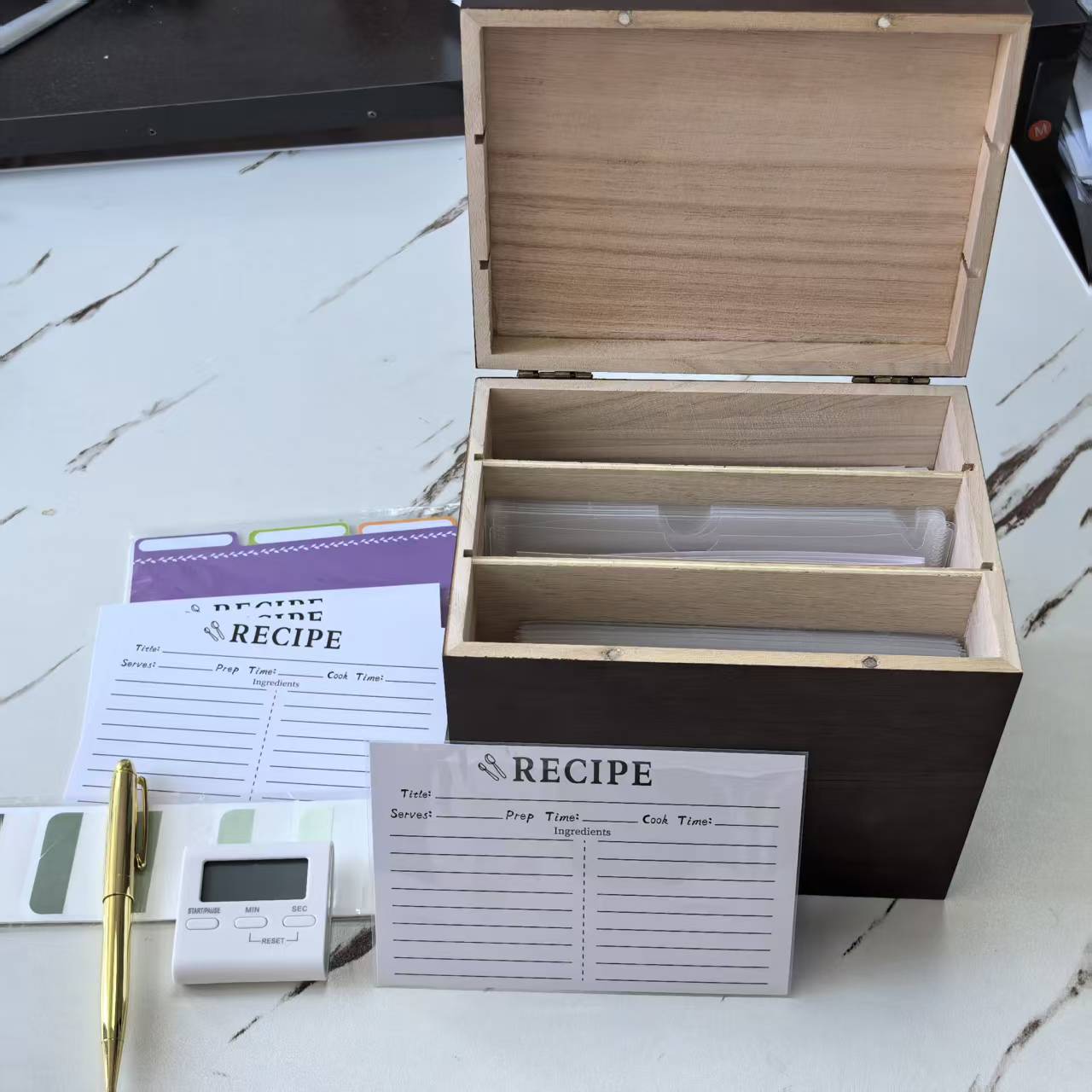
Case 03 · Product set development
Frequently asked questions
Clear starting information helps set the right development conversation. These answers are general guidance; final construction is confirmed for the actual project.
Yes. A reference image, sketch or AI-generated concept can be a useful starting point. We review the structure, dimensions, material and manufacturing feasibility before sampling.
You can start with the dimensions of the product you want to place inside. We can discuss the required internal space, wall thickness and overall box dimensions from there.
Yes. If the material is not specified, we can recommend suitable options based on appearance, grain, weight, processing requirements and project positioning.
Yes. An existing sample provides a much more reliable basis for reviewing dimensions, construction, material and finish than images alone.
Yes. Custom structures can be developed around the product, opening method, dimensions and intended use.
Yes. Logo application, hardware, finishes and other details can be discussed during development. More customization capabilities are available on our Solutions pages.
Yes. Sampling is normally used to confirm structure, dimensions, material, finish and functional details before bulk production.
We can also coordinate related components and packaging elements when required, depending on the project scope.
Start your box project
Whether you have a finished drawing or are still exploring the right structure, share your product information or reference direction. We can start from your requirements and develop the box direction together.
Useful information: product dimensions · quantity · reference images · preferred material · box style